

Redefining Vietnam’s Customs Landscape from February 2026
Vietnam’s customs regime is undergoing one of its most significant regulatory reforms in recent years, with a suite of updates that will take effect from February 1, 2026. These changes are primarily driven by the issuance of Circular No. 121/2025/TT-BTC by the Ministry of Finance, which amends and supplements key customs procedures and documentation requirements previously governed under long-standing regulations dating back nearly a decade.

Circular 121/2025/TT-BTC marks a comprehensive revision to the customs procedures, customs inspection and supervision, export and import duties, and tax administration regime that apply to goods moving into and out of Vietnam. It replaces parts of the existing regulatory framework established by Circular No. 38/2015/TT-BTC and Circular No. 39/2018/TT-BTC—both of which form the backbone of Vietnam’s customs procedural law.
Given the central role customs procedures play in import-export efficiency, tax compliance, and trade facilitation, these reforms are consequential for domestic companies, multinational corporations, logistics providers, and foreign investors engaged in international trade.
Key Legal Instruments and Their Effective Dates
Circular No. 121/2025/TT-BTC
The most significant regulatory change stems from Circular 121/2025/TT-BTC, issued by the Ministry of Finance on December 18, 2025. This Circular becomes effective on February 1, 2026 and introduces widespread amendments to existing customs laws.
Scope and Purpose:
Circular 121 revises customs procedures covering import/export declarations, customs valuation checks, documentation requirements, on-the-spot import and export activities, procedures for Export Processing Enterprises (EPEs), and re-imports—all designed to modernise and harmonise customs governance with international trade practices.
It also reflects broader goals of the Government to enhance administrative reform in trade, bolster efficiency in tax collection, and improve transparency in customs operations while reducing unnecessary procedural hurdles.
What Businesses Need to Know: Practical Regulatory Changes
1. Revised Customs Documentation Requirements
Under the amended regulations introduced by Circular 121/2025/TT-BTC, the customs dossier (i.e., the set of documents required for customs clearance) has been redefined for both imported and exported goods.
For example, for imported goods, the updated customs dossier includes:
- Customs declaration form;
- Commercial invoice or equivalent evidence of transaction value;
- Bill of lading or equivalent transport document;
- Import license or permit (where required);
- Certificate of specialised inspection (if applicable);
- Documents demonstrating eligibility to import under investment law;
- Value declaration documentation;
- Certificate of origin as required by preferential trade agreements;
- Specific documentation for machinery or equipment subject to special classification;
- Contracts and authorisations related to consignment or commissioning arrangements;
- Documents establishing the right to import for foreign traders without presence in Vietnam; and
- Investment certificates for foreign-invested enterprises importing goods.
These clarified requirements aim to reduce ambiguity, standardise expectations across customs authorities, and streamline the clearance process—particularly for enterprises involved in complex or high-volume trade.
The corresponding export documentation has also been refined, aligning export procedures with evolving international norms.
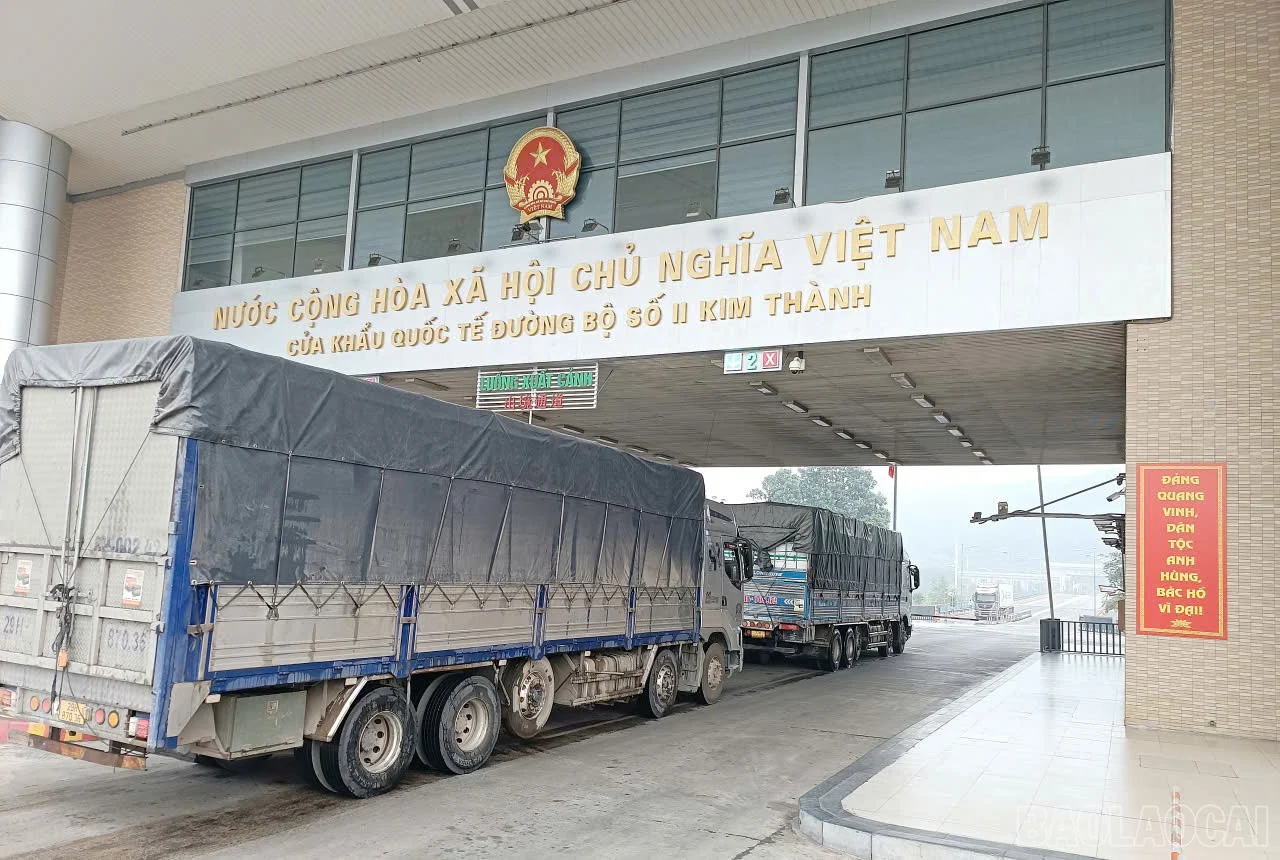
2. Conditions for Electronic Customs Declarations
Circular 121 also introduces updated conditions for filing customs declarations through the national customs electronic system. These include:
- Mandatory registration of entities and individuals to connect to the system, with the ability to use VNeID accounts for access;
- A requirement for appropriate technical infrastructure to support electronic data exchange, filing, and storage; and
- Use of authorised e-customs software that integrates with the customs platform.
The continued move towards a fully digital customs environment echoes Vietnam’s broader commitment to e-government and trade facilitation, reducing physical paperwork and enabling real-time data processing.
3. Expanded Facilitation and Transitional Mechanisms
According to official government statements, the 2026 customs reforms also include provisions aimed at facilitating high-tech industries and resolving longstanding procedural bottlenecks. These include more flexible preferential mechanisms for sectors such as advanced technology and semiconductors, as well as updated rules for on-site import/export transactions.
Furthermore, transitional mechanisms are provided to help businesses adjust to new procedural standards, particularly for goods subject to specialised inspections or integrated regulatory oversight (such as customs, tax, health, environment, and food safety controls).
Broader Policy Context: Customs Modernisation and Trade Facilitation
Digital Customs and Risk-Based Control
Vietnam’s customs administration continues to modernise through digitisation and the application of risk-based control systems. Customs authorities are increasingly leveraging data analytics, intelligent screening, and automated processes to expedite low-risk shipments while targeting high-risk consignments for enhanced scrutiny.
This shift supports both efficient trade flows and stronger state management of revenue and compliance risks, aligning Vietnam with global trends in “smart customs” operations.
How These Changes Fit Within the Legal System
Circular 121/2025/TT-BTC does not stand alone. Its amendments derive from a hierarchy of customs law that includes:
- Law on Customs (2014) and its implementing regulations;
- Prior circulars such as Circular 38/2015/TT-BTC and Circular 39/2018/TT-BTC, which are foundational to customs procedures in Vietnam;
- Various government decrees and legal documents that govern specialised import/export controls; and
- Additional updates emerging from related tax and trade regulations that interact with customs administration.
The continuous refinement of customs law reflects Vietnam’s broader legal reform agenda, which seeks to enhance predictability and compliance for both domestic and international businesses engaging in cross-border trade.

What This Means for Importers, Exporters, and Supply Chain Operators
Enhanced Predictability and Standardisation
By clarifying documentation requirements, publication of updated rules, and strengthening electronic filing conditions, the 2026 customs reforms will help reduce uncertainty and variation in customs clearance outcomes. Businesses should benefit from clearer expectations and more standardised application of customs law across different port and border locations.
Increased Digital Compliance Expectations
The expanded use of electronic customs systems places a greater emphasis on compliance readiness. Companies should invest in digital infrastructure, staff training, and internal controls to ensure seamless integration with the customs electronic system.
Focus on High-Tech and Priority Sectors
Targeted facilitation measures for high-technology and priority sectors underscore Vietnam’s intention to attract and support investments in advanced manufacturing and innovation-driven industries. This includes preferential clearance and simplified procedures where appropriate, provided that eligibility conditions are met.
Challenges and Areas for Further Clarification
Despite the clear direction, several practical implementation issues may arise:
- Interpretation inconsistencies: Early application of new documentation standards may vary by customs office until official guidance and internal procedures fully align.
- Integration with non-customs controls: Coordination between customs and specialised inspection agencies (e.g., health, environment, quarantine) continues to represent a complex compliance environment.
- Training and system transition: The rapid shift to digital customs places pressure on both customs officials and business operators to adapt rapidly to new software and data requirements.
Governments and businesses alike will need to monitor these areas closely to ensure that reforms deliver on their promise of greater efficiency without compromising compliance integrity.
Strategic Recommendations for Business Readiness
To effectively navigate the new customs landscape in Vietnam, companies should consider the following strategic actions:
- Update internal compliance policies to reflect the updated documentation and declaration requirements under Circular 121/2025/TT-BTC.
- Invest in digital customs filing systems and staff training to ensure smooth electronic declarations and data exchange with customs authorities.
- Engage with customs brokers and legal advisors to interpret transitional procedures and specialised inspection requirements.
- Monitor sector-specific facilitation provisions, especially for high-tech, semiconductor, and value-added industries that may benefit from preferential clearance mechanisms.
Vietnam’s Customs Reform: A Step Toward Trade Competitiveness
Vietnam’s updated customs regulations effective February 1, 2026 represent more than procedural tweaks. They reflect a concerted policy effort to modernise trade facilitation, enhance digital governance, and align customs procedures with global norms and investor expectations. As these reforms take effect, businesses that proactively adapt to the new legal landscape will be better positioned to minimise trade friction, manage compliance risks, and capitalise on opportunities in Vietnam’s growing import-export economy.
Other relevant articles:
- How Businesses Can Comply with Vietnam’s New Personal Data Protection Regulations
- Trade Remedies in Vietnam 2026: Strategic Protection & Legal Defense for Global Businesses
- The Impact of Vietnam’s Amended Investment Law on Dispute Resolution 2026