

Anti-Dumping Investigations in Vietnam
Anti-dumping cases are the most common trade-remedy actions in Vietnam. They are also the most technically demanding, data-heavy, and time-sensitive. For foreign exporters, understanding how the process unfolds — and how Vietnam expects companies to behave inside it — is not just compliance. It is strategy.

Vietnam does not approach anti-dumping enforcement as punishment, but as a balancing tool: safeguarding domestic industry while maintaining fair and open trade. Exporters who position themselves accordingly, prepared and respectful, navigate the process far more successfully.
How an Anti-Dumping Investigation Starts
Cases typically begin when Vietnamese producers allege that imported goods are being sold at “dumped” prices — lower than home-market prices or below constructed value — causing injury to local industry.
Before an official initiation, attentive exporters can often see warning signs: industry association comments, sudden local price pressure, press statements referencing “unfair imports.”
Once the Ministry of Industry and Trade issues the notice of initiation, the clock starts.
The Key Stages — and What Each Really Means
Initiation & standing
Authorities verify that the complaint meets legal thresholds: domestic production share, evidence of dumping, injury indicators, and causal link.
For exporters, this is the time to establish formal contact, acknowledge notice, and request questionnaires — signaling cooperation from day one.
Questionnaires to exporters and importers
This is the heart of the case. Vietnam requires detailed data on:
– Home-market prices
– Export pricing to Vietnam
– Cost of production and accounting records
– Sales volumes and trends
– Corporate relationships and transfer pricing
– Product characteristics and models
This stage separates disciplined exporters from reactive ones.
The credibility of your data — and consistency across tax, customs, accounting, and logistics records — shapes everything that follows.
Supplementary questions
Expect follow-ups. Vietnam’s trade authority digs deep.
Questions are not suspicion — they are administrative rigor.
Timely, well-organized answers build trust; delays weaken confidence.
Provisional measures
If initial evidence suggests injury risk, provisional anti-dumping duties may be imposed mid-investigation.
Prepared exporters have contingency plans: communication with customers, price adjustments, and cash-flow buffers.
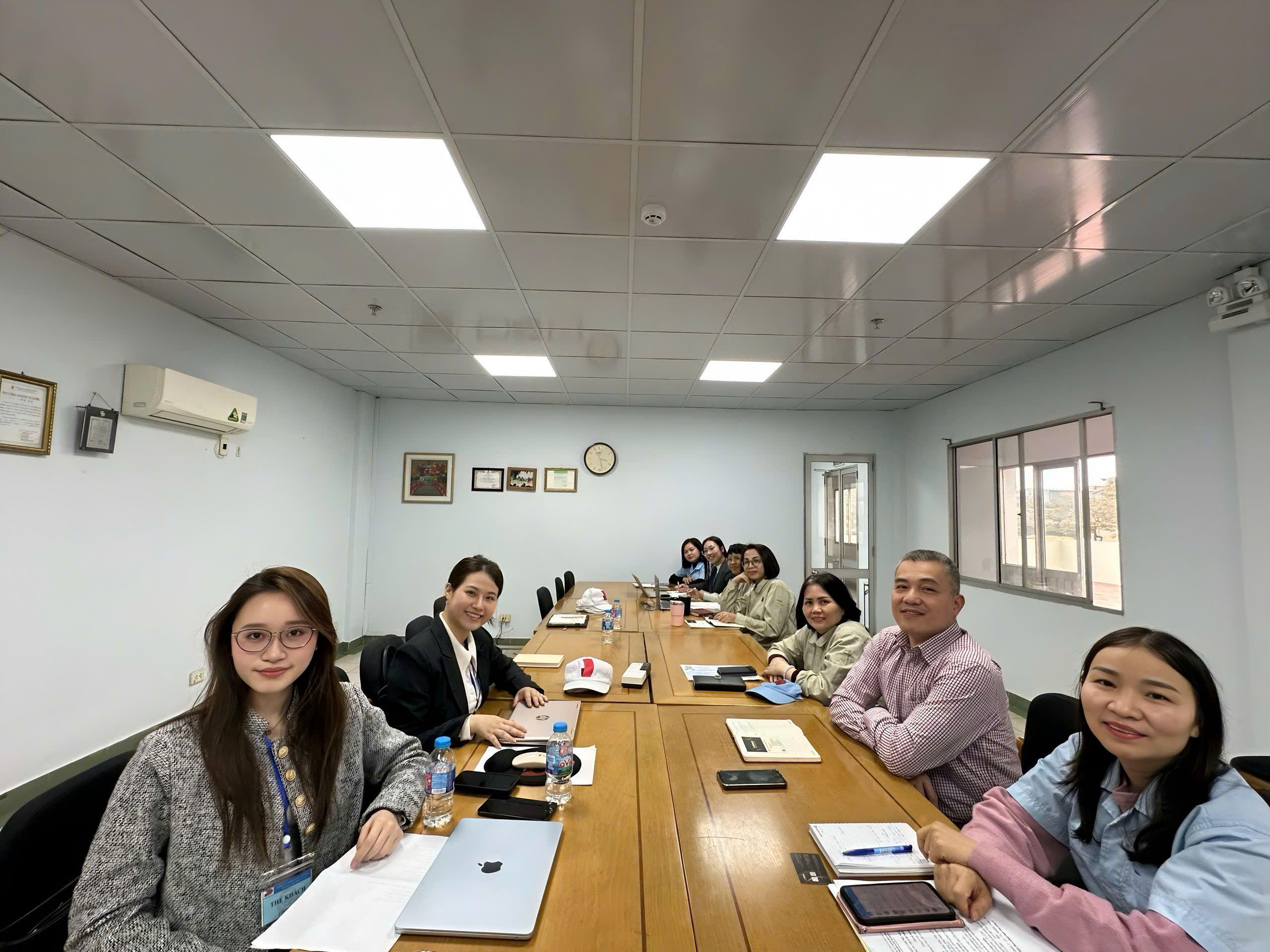
On-site verification
Officials verify that submissions reflect reality: machinery, labour, production logs, cost structure, BOM, and origin.
Verification is not an audit — it is proof of seriousness.
Companies who prepare “verification rooms,” train staff, and organize files seamlessly often see more favorable treatment.
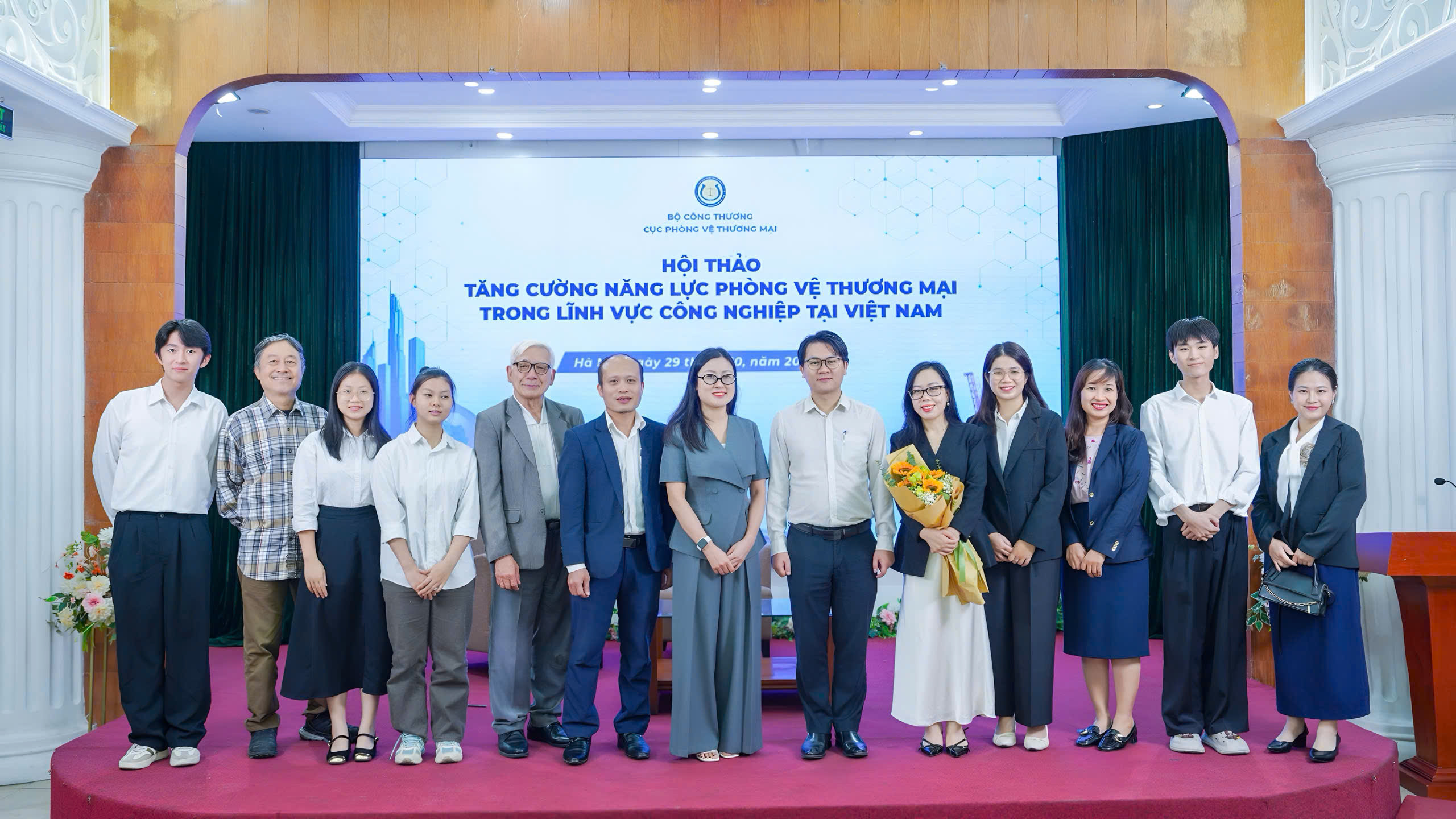
Public hearing
A moment to speak clearly, respectfully, and factually — not dramatically.
Vietnam values tone and respect for procedure.
Professional demeanor and coherent economic narrative matter as much as spreadsheets.
Disclosure & final determination
Authorities release essential facts and give parties a chance to comment.
Well-structured, bilingual submissions here can correct misunderstandings and avoid unnecessary duties.
Duration & reviews
Final duties typically last up to five years, with options for interim and sunset reviews.
Exporters who remain organized post-order often secure reductions later; those who relax face higher barriers.
What Makes Vietnam’s Approach Distinct
Vietnam requires:
– Sincerity in cooperation
– Consistency across all data sources
– Respect for administrative timelines
– Production traceability and origin clarity
– Stable commercial conduct
It is not a jurisdiction where aggression wins.
Professionalism, structure, and cultural intelligence do.
The Role of Local Counsel and Local Context
International trade counsel frames the legal theory;
Vietnamese counsel ensures your strategy fits Vietnam’s administrative rhythm.
Tone, format, language choices, submission structure, and follow-up etiquette all influence regulator confidence.
Foreign exporters who combine global expertise with local guidance consistently outperform those who rely on overseas counsel alone.
Conclusion
Anti-dumping investigations in Vietnam are demanding — but they are fair, rule-based, and navigable when approached professionally.
Exporters who prepare early, document clearly, respond quickly, and show respect for Vietnam’s process often maintain competitive market access even during scrutiny.
In Vietnam, strength is not loud.
Strength is organized, disciplined, and respectful.
Foreign exporters who embrace that truth don’t just survive investigations — they build credibility that lasts beyond them.
Read more other relavent articles:
- Anti-Circumvention Investigations in Vietnam: How They Start, How They Work, and How Foreign Exporters Can Avoid the Trap
- How Foreign Exporters Should Respond to Vietnam’s Anti-Dumping Investigations
- Building a Trade-Compliance Roadmap to Avoid Anti Dumping Risks in Vietnam