

A Turning Point in How Business Activities Are Classified
From November 15, 2025, Vietnam officially implements a revised system of economic sector classification under the Prime Minister’s Decision No. 36/2025/QĐ-TTg. This update marks the most significant adjustment to the Vietnam Standard Industrial Classification (VSIC) framework in recent years, reflecting the Government’s effort to modernise regulatory infrastructure in line with economic transformation, digitalisation, and deeper international integration.

Although the classification system is often perceived as a technical or administrative matter, its implications are far-reaching. For enterprises and investors, economic sector codes directly affect market access, licensing requirements, investment approvals, conditional business lines, foreign ownership restrictions, and ongoing compliance obligations. As such, the 2025 update is not merely a statistical revision, but a structural recalibration of how business activities are legally recognised and regulated in Vietnam.
Why the Economic Sector Classification Matters More Than Ever
In Vietnam’s regulatory environment, economic sector codes serve as a foundational reference point across multiple legal regimes. They are embedded in enterprise registration, investment registration, specialised licensing, tax administration, and sector-specific compliance frameworks.
As Vietnam’s economy evolves—particularly with the rapid growth of digital services, platform-based business models, green industries, and high-value services—the previous classification system increasingly struggled to capture emerging activities accurately. The 2025 update responds to this challenge by refining existing categories, introducing new sector codes, and clarifying the scope of business activities that previously fell into regulatory grey areas.
For foreign investors, this development is especially significant. Economic sector classification often determines whether a business line is open to foreign investment, subject to conditions, or restricted altogether. A clearer and more updated classification system therefore contributes directly to greater legal transparency and predictability.
Key Structural Changes Introduced by the 2025 Update
Alignment with International Classification Standards
One of the guiding principles behind the revised system is closer alignment with international industrial classification frameworks. The updated VSIC reflects adjustments inspired by global standards, facilitating comparability with other jurisdictions and improving Vietnam’s integration into international statistical and regulatory practices.
This alignment is not purely symbolic. In practice, it helps multinational enterprises map their global business activities more accurately when entering or expanding in Vietnam, reducing discrepancies between internal corporate classifications and local regulatory requirements.
Refinement and Expansion of Service-Oriented Sectors
The 2025 update places particular emphasis on service sectors, which have become a key driver of Vietnam’s economic growth. New and refined classifications address areas such as digital services, technology-enabled business models, logistics, professional services, and supporting services for investment and trade.
By providing more granular distinctions, the revised system reduces the need for enterprises to rely on broad or catch-all categories that previously created uncertainty during licensing and regulatory review processes.
Clarification of Overlapping and Hybrid Business Activities
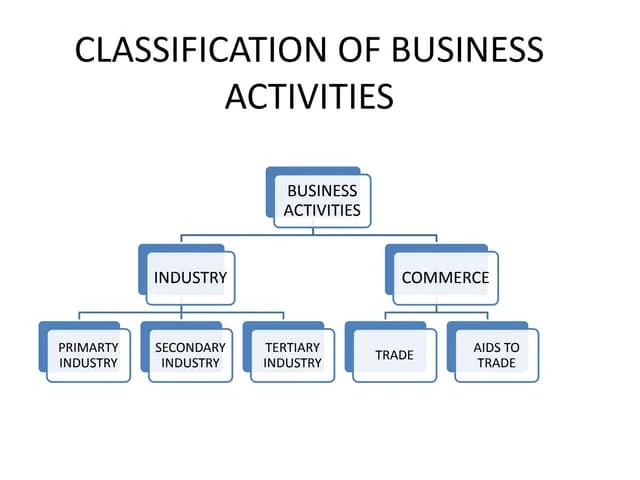
Modern enterprises frequently operate across multiple sectors, combining manufacturing, services, technology, and distribution within integrated business models. The updated classification system seeks to clarify overlapping activities and reduce inconsistencies in how such models are categorised.
This clarification is particularly relevant for investment projects that require approval or appraisal based on sector-specific conditions. A clearer classification framework enables authorities to assess projects more consistently and enterprises to structure their activities more strategically.
Implications for Enterprises and Investors
Impact on Enterprise Registration and Business Lines
For newly established enterprises from November 15, 2025 onward, business lines must be registered in accordance with the updated classification system. Enterprises using outdated codes may face delays or requests for clarification during the registration process.
Existing enterprises, while not automatically required to amend their registered business lines, may encounter issues when making changes to enterprise registration, expanding activities, or applying for additional licences. In such cases, authorities may require alignment with the new classification framework.
Investment Registration and Foreign Investment Conditions
Economic sector codes play a critical role in determining foreign investment conditions under Vietnam’s investment law regime. Changes in classification may affect whether a business line is considered conditional for foreign investors, subject to market access restrictions, or eligible for preferential treatment.
Investors planning new projects or restructuring existing investments should carefully review how their activities are classified under the updated system, particularly in sectors where regulatory boundaries have been refined or newly defined.
Licensing, Compliance, and Regulatory Risk
Beyond registration, sector classification affects specialised licences, operating permits, and compliance obligations. In certain regulated sectors, an incorrect or outdated classification may result in misalignment with licensing requirements, exposing enterprises to compliance risks.
The 2025 update therefore calls for a proactive review of business activities to ensure that regulatory approvals remain consistent with the revised classification framework.
Transitional Issues and Practical Challenges
Managing the Transition for Existing Enterprises
One of the key practical questions arising from the update concerns transitional arrangements. While the decision does not impose a blanket requirement for enterprises to immediately update existing registrations, regulatory practice may evolve differently across provinces and authorities.
In practice, enterprises may be requested to update sector codes when submitting applications for amendments, expansions, or regulatory approvals. Preparing for such requests in advance can help avoid unnecessary delays and inconsistencies.
Interpretation and Consistency in Application
As with any regulatory update, early-stage implementation may involve divergent interpretations by local authorities. Differences in how new or refined sector codes are applied can create uncertainty, particularly for enterprises operating in innovative or cross-sectoral fields.
Clear guidance and consistent application will be essential to ensure that the updated system achieves its intended objectives without creating additional administrative burdens.
Strategic Considerations for Market Participants
Reviewing Business Models and Corporate Structures
The revised classification system provides an opportunity for enterprises to reassess their business models and corporate structures. By aligning registered business lines more closely with actual operations, enterprises can enhance regulatory clarity and reduce compliance friction.
For foreign investors, this review is particularly important when structuring investment vehicles, defining project scopes, and preparing investment registration dossiers.

Integrating Classification into Compliance Planning
Economic sector classification should not be treated as a one-off administrative task. Instead, it should form part of a broader compliance and risk management strategy, particularly for enterprises operating in regulated or rapidly evolving sectors.
Early engagement with legal and regulatory advisors can help enterprises anticipate classification-related issues and navigate the updated framework effectively.
Looking Ahead: A More Transparent and Adaptive Regulatory Environment
The 2025 update to Vietnam’s economic sector classification system reflects a broader shift toward regulatory modernisation and adaptability. By refining how business activities are categorised, Vietnam aims to create a legal environment that better reflects economic reality, supports innovation, and facilitates international investment.
For enterprises and investors, the revised system offers both opportunities and responsibilities. While it enhances clarity and alignment with global standards, it also requires careful attention to regulatory details and proactive compliance planning. Those who understand and adapt to the new framework early will be better positioned to operate confidently and efficiently in Vietnam’s evolving business landscape.
La Défense is a Vietnam-based legal and advisory firm specializing in corporate, investment, and regulatory compliance. With extensive experience advising foreign investors and multinational enterprises, La Défense supports clients in navigating Vietnam’s evolving legal and regulatory landscape.
Read more other relevant articles:
- What Should Businesses Do When Discontinuing a Functional Food Product in Vietnam?
- How Businesses Can Comply with Vietnam’s New Personal Data Protection Regulations
- Trade Remedies in Vietnam 2026: Strategic Protection & Legal Defense for Global Businesses
- Legal Services Every Expat Business Owner in Vietnam Needs