

The Rising Importance of Countervailing Duty Investigations in Vietnam
While anti-dumping investigations often dominate headlines, countervailing duty (CVD) cases — which target subsidized imports — are emerging as a critical tool in Vietnam’s trade-remedy system. As Vietnam deepens its industrial development strategy and participates more actively in global trade governance, CVD enforcement is gaining importance.

For foreign exporters, CVD cases are fundamentally different from dumping cases: they do not only examine pricing behavior — they examine the government support structure behind the price.
Understanding the process is not optional. It is strategic survival.
What Triggers a CVD Investigation in Vietnam
A countervailing case begins when Vietnamese industries claim foreign competitors benefit from specific, actionable subsidies such as:
– Preferential loans or credit lines
– Tax reductions or rebates
– Free or discounted inputs (energy, land, raw materials)
– Export incentives or rebates
– Government-directed support programs
– State-owned enterprise advantages
Vietnam will only proceed when evidence suggests these benefits distort competition and cause material injury to domestic producers.
Step-by-Step CVD Investigation Process in Vietnam
1) Petition and sufficiency review
Domestic industry files a petition. TRAV reviews subsidy allegations, injury indicators, and causal link. Authorities verify that the subsidies claimed fall within WTO-consistent categories.
2) Initiation notice
If the petition meets legal standards, Vietnam initiates the investigation. Exporters must immediately register as interested parties to avoid being assessed with punitive “facts available” duties later.
3) Questionnaires to exporters and foreign governments
This is where CVD cases diverge sharply from anti-dumping cases.
Exporters must provide:
– Detailed financial data
– Cost and production information
– Records of loans, grants, rebates, guarantees, tax policies
– Information on government programs and benefits
Government authorities in the exporting country also receive questionnaires.
Your government’s cooperation can directly affect your duty rate.
4) Supplemental questions and clarifications
Expect multiple rounds of detailed inquiries. Exporters must reconcile accounting records, bank statements, tax filings, grant documents, and production data.
Transparency is not optional — inconsistencies raise red flags immediately.
5) Provisional countervailing measures
If initial evidence suggests subsidization and injury, Vietnam may impose temporary CVD duties. Exporters should prepare pricing and cash-flow contingency plans — and communicate calmly with Vietnamese partners.
6) On-site verification
Verification teams review documents, bank data, invoices, cost records, subsidy documents, eligibility rules, and benefit calculations.
Preparation means assembling internal teams, preparing “verification rooms,” and aligning global and Vietnam-facing books.
7) Hearing & public consultations
Foreign exporters can address methodology, clarify subsidy frameworks, and demonstrate good-faith participation. Tone and structure matter — Vietnam values constructive, respectful dialogue.
8) Disclosure & final determination
Authorities publish essential facts and allow comments before issuing final CVD duties — typically lasting up to five years.
9) Post-order reviews & sunset review
Duty levels can be revised through interim reviews; measures expire unless justified at sunset. Companies who remain organized through the duty period often reduce or remove measures sooner.
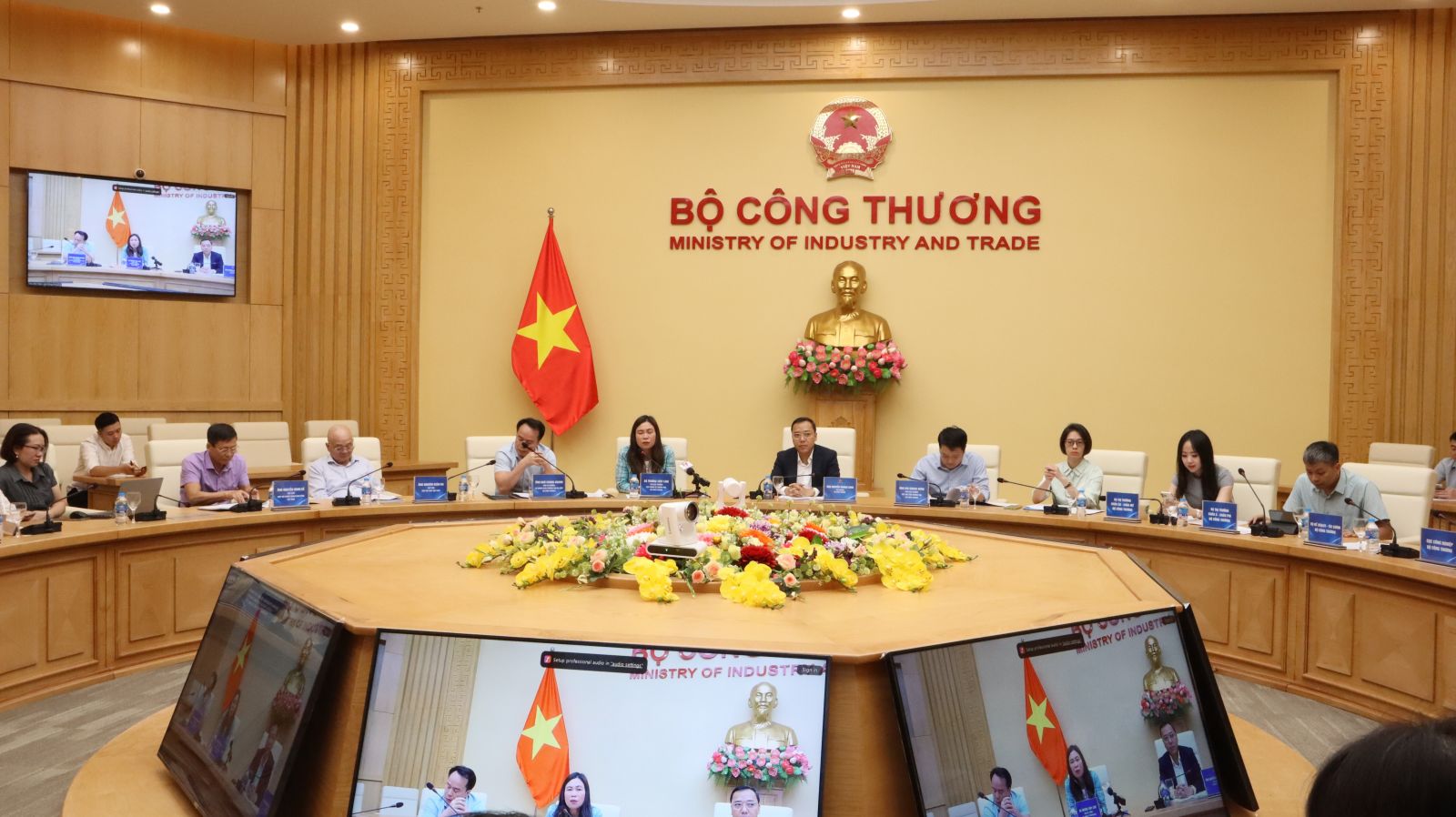
What Makes CVD Investigations Sensitive
Unlike anti-dumping cases where exporters control most evidence, CVD cases require government participation and alignment with national policy frameworks.
Unprepared exporters face risks beyond duties — including reputational issues and cross-border scrutiny if multiple jurisdictions investigate similar programs.
Advanced preparation is key.
How Smart Exporters Prepare in Advance
Leading exporters maintain:
– An internal subsidy compliance file
– Clear documentation of government support received
– Legal analysis distinguishing legitimate industrial policy from actionable subsidies
– Bilingual policy maps for Vietnam regulators
– Coordinated communication channels with their own government authorities
– A proactive verification and audit-response protocol
This is not merely legal work — it is institutional readiness.
The Essential Role of Local Counsel
Foreign counsel manages WTO concepts and subsidy classification.
Vietnamese counsel ensures alignment with:
– Local procedural expectations
– Administrative communication etiquette
– Document formatting requirements
– Regulatory tone and cultural nuance
In CVD cases — more than any other — cultural diplomacy and data discipline go hand-in-hand.
Final Takeaway
Countervailing duty investigations in Vietnam are sophisticated, transparent, and increasingly consequential.
The best defense is:
– Readiness before initiation
– Meticulous internal records
– Coordinated government response
– Disciplined verification preparation
– Respectful engagement with Vietnam’s regulatory system
Vietnam does not penalize participation — it penalizes opacity.
Exporters who behave like long-term partners, not transactional suppliers, emerge stronger.
In CVD cases, credibility is not claimed — it is proven, document by document.
Read more other relavent articles:
- Anti-Circumvention Investigations in Vietnam: How They Start, How They Work, and How Foreign Exporters Can Avoid the Trap
- How Foreign Exporters Should Respond to Vietnam’s Anti-Dumping Investigations
- Building a Trade-Compliance Roadmap to Avoid Anti Dumping Risks in Vietnam