

Personal Data Protection as a Core Corporate Compliance Obligation
Personal data protection has rapidly evolved from a technical or IT-driven issue into a central legal and governance obligation for businesses operating in Vietnam. With the introduction and progressive enforcement of new personal data protection regulations, enterprises are now expected to demonstrate not only formal compliance, but also substantive accountability throughout the entire lifecycle of data processing.

Vietnam’s data protection framework reflects a clear policy direction: safeguarding personal data is no longer optional, and failure to comply may result in regulatory sanctions, civil liability, reputational damage, and disruption to business operations. Against this backdrop, companies must adopt a structured and proactive approach to compliance, treating personal data protection as an integral part of corporate risk management.
This article outlines the key steps businesses should take to comply effectively with Vietnam’s new personal data protection requirements, focusing on practical implementation rather than abstract legal theory.
Understanding the Scope of the New Data Protection Regime
Broad Applicability Across Industries and Business Models
Vietnam’s personal data protection regulations apply to a wide range of entities, including domestic enterprises, foreign-invested companies, service providers, digital platforms, and intermediaries. Any organisation that collects, stores, uses, transfers, or otherwise processes personal data in Vietnam may fall within the scope of regulation.
Importantly, compliance obligations are triggered by data processing activities, not by company size or sector. Even small or medium-sized enterprises may be subject to full compliance requirements if they handle personal data of customers, employees, users, or business partners.
A Shift Toward Accountability and Demonstrable Compliance
A defining feature of the new regulatory approach is the emphasis on accountability. Businesses are no longer assessed solely on whether internal policies exist, but on whether those policies are effectively implemented, monitored, and enforced in practice.
Regulators increasingly expect businesses to be able to explain and justify how personal data is processed, protected, and governed, particularly in the event of inspections, complaints, or data incidents.
Mapping and Assessing Personal Data Processing Activities
Conducting a Comprehensive Data Mapping Exercise
Effective compliance begins with a clear understanding of how personal data flows within the organisation. Businesses should conduct a comprehensive data mapping exercise to identify:
- What categories of personal data are being processed;
- Whose data is involved (customers, employees, suppliers, users);
- The purposes for which data is collected and used;
- Where data is stored and how long it is retained;
- Whether data is shared with third parties or transferred abroad.
This assessment forms the foundation for all subsequent compliance measures and helps identify high-risk areas requiring enhanced controls.
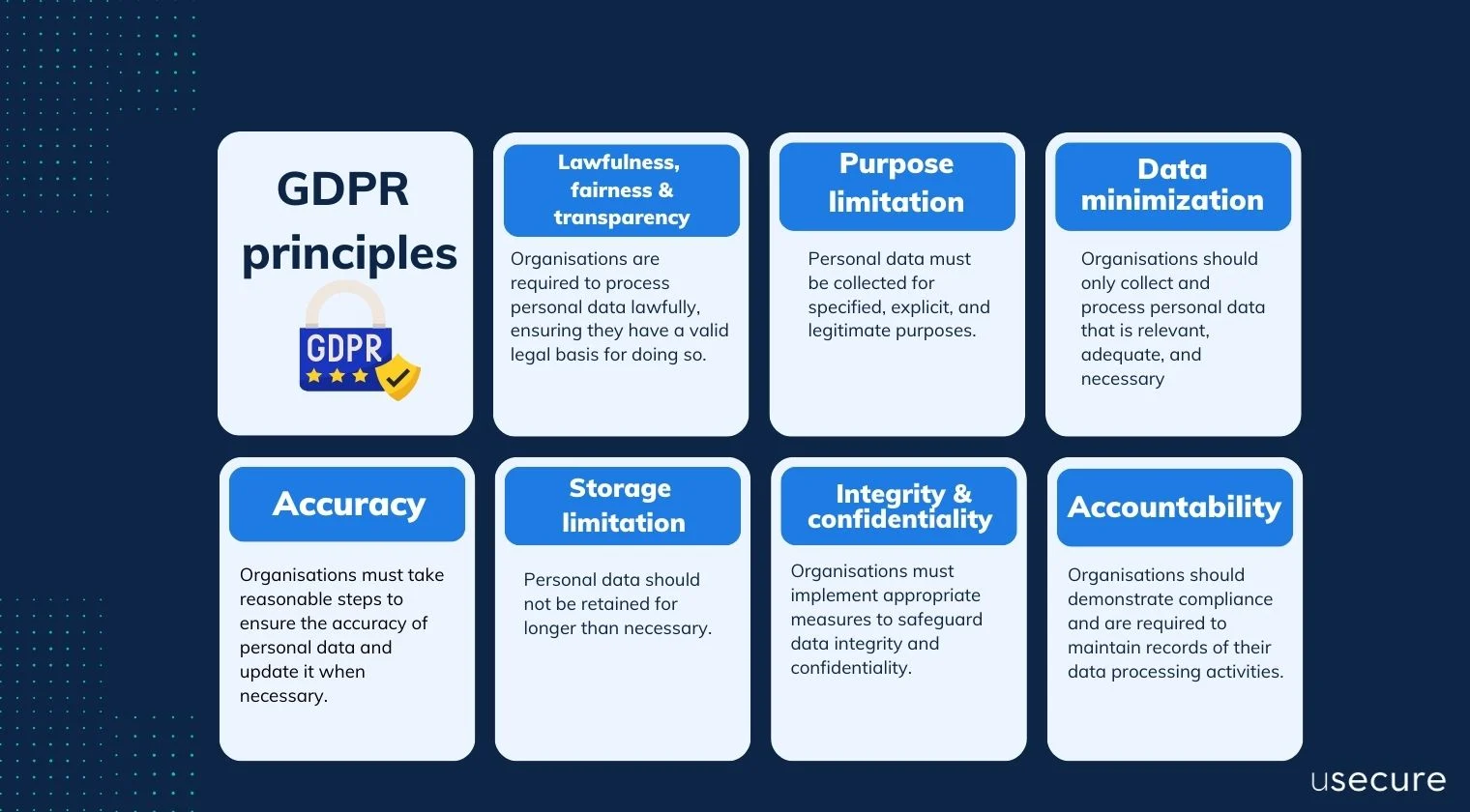
Identifying Sensitive and High-Risk Data Processing
Certain categories of personal data, such as sensitive personal data or data processed on a large scale, may trigger stricter compliance obligations. Businesses should pay particular attention to processing activities that involve profiling, automated decision-making, cross-border data transfers, or outsourcing to external service providers.
Establishing a Lawful Basis for Data Processing
Managing Consent in a Compliant Manner
Consent remains one of the most common legal bases for processing personal data under Vietnamese law. However, the new regulatory framework requires consent to be informed, explicit, and verifiable.
Businesses should review existing consent mechanisms to ensure that individuals are clearly informed about:
- The types of data being collected;
- The purposes of processing;
- Their rights as data subjects;
- The possibility of data sharing or cross-border transfers.
Consent records must be properly documented and retained to demonstrate compliance if required by regulators.
Alternative Legal Bases and Purpose Limitation
Where data processing relies on legal obligations, contractual necessity, or other lawful grounds, businesses must ensure that processing activities strictly align with the stated purpose. Personal data should not be used in a manner that is incompatible with the original collection purpose without a valid legal basis.
Developing Internal Policies and Governance Structures
Implementing Personal Data Protection Policies
A robust internal data protection policy is a core compliance requirement. Such policies should clearly define the principles governing data processing, internal responsibilities, and procedures for handling personal data.
Policies should be tailored to the company’s operations rather than copied from generic templates. They must be communicated effectively to employees and embedded into daily business practices.
Assigning Roles and Responsibilities
Clear allocation of responsibility is essential. Businesses should designate internal personnel or teams responsible for overseeing data protection compliance, coordinating responses to data subject requests, and managing incidents.
While not all companies are required to appoint a formal data protection officer, having a clearly accountable function significantly enhances compliance readiness.

Strengthening Technical and Organisational Safeguards
Information Security and Access Controls
Legal compliance must be supported by appropriate technical measures. Businesses are expected to implement safeguards such as access controls, authentication mechanisms, data encryption, and secure storage solutions appropriate to the nature of the data processed.
Restricting access to personal data on a need-to-know basis reduces the risk of internal misuse and unauthorised disclosure.
Training and Awareness Across the Organisation
Employees play a critical role in data protection. Regular training programs should be conducted to ensure that staff understand their responsibilities, recognise data protection risks, and follow established procedures.
Building a culture of compliance helps prevent accidental breaches and reinforces accountability at all levels of the organisation.
Managing Third-Party Relationships and Data Transfers
Controlling Data Processing by Vendors and Partners
Many businesses rely on third-party service providers for data processing, such as IT services, cloud storage, payroll, or marketing. In such cases, companies remain responsible for ensuring that personal data is processed in compliance with the law.
Appropriate contractual arrangements should be in place, clearly defining the roles, responsibilities, and security obligations of third parties.
Cross-Border Data Transfers
Transferring personal data outside Vietnam is subject to specific regulatory conditions. Businesses engaged in cross-border data transfers must carefully assess compliance requirements, including notification or approval obligations where applicable.
Failure to manage cross-border data transfers properly is an area of heightened regulatory risk.
Preparing for Data Incidents and Regulatory Oversight
Incident Response and Breach Management
Despite best efforts, data incidents may still occur. Businesses should establish a clear incident response plan to detect, assess, and mitigate personal data breaches.
A structured response mechanism enables companies to act swiftly, reduce potential harm, and comply with notification obligations if required.
Readiness for Inspections and Audits
Regulatory authorities have the power to inspect compliance with personal data protection laws. Businesses should maintain organised records demonstrating compliance, including policies, consent records, risk assessments, and training materials.
Proactive preparation reduces disruption and strengthens the company’s position in the event of regulatory scrutiny.
Personal Data Protection as a Strategic Advantage
Building Trust with Customers and Partners
Effective data protection enhances trust and credibility. Customers and business partners increasingly expect transparency and responsibility in how personal data is handled.
Companies that demonstrate strong data protection practices are better positioned to build long-term relationships and differentiate themselves in competitive markets.
Supporting Sustainable Growth and Digital Transformation
As digital transformation accelerates, data-driven business models will continue to expand. Integrating data protection into corporate governance enables businesses to innovate responsibly while managing legal and reputational risks.
From Legal Obligation to Governance Excellence
Vietnam’s new personal data protection regulations represent a significant evolution in the country’s legal landscape. For businesses, compliance should not be viewed as a one-time exercise, but as an ongoing governance process that evolves alongside business operations and regulatory expectations.
By adopting a structured, proactive, and practical approach to personal data protection, enterprises can not only meet legal requirements but also strengthen operational resilience, enhance market trust, and support sustainable growth in an increasingly data-driven economy.
Lawyer Linh Nguyen – La Défense Vietnam Law Firm
20.01.2026
Other relevant articles:
- Recent Developments in Vietnam& Data Law
- Trade Remedies in Vietnam: Legal Insights & Full-Scope Defense Services
- Building a Trade-Compliance Roadmap to Avoid Anti Dumping Risks in Vietnam
- Vietnam – A Growing Hub for Investment: The Market Overview 2025