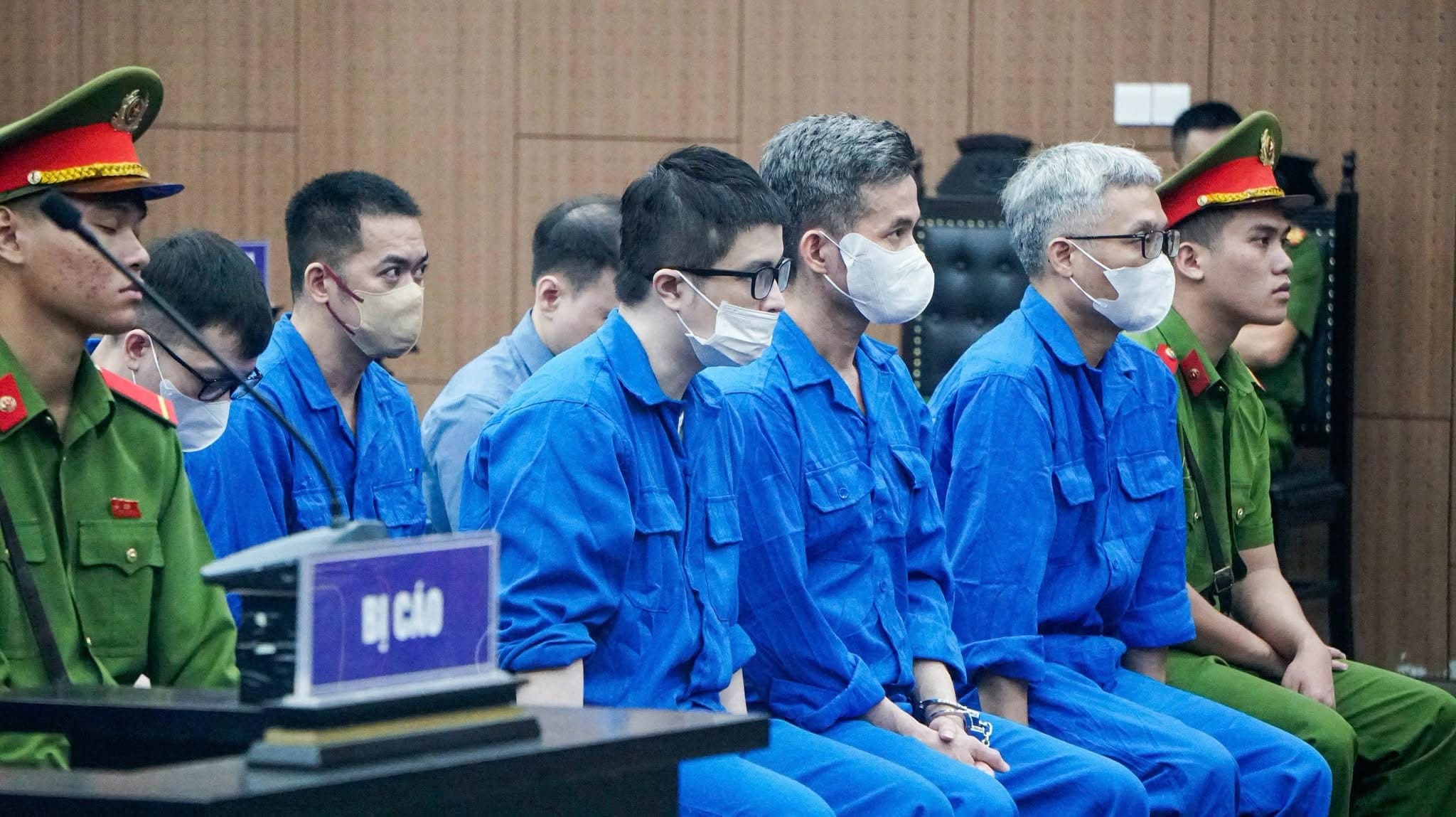

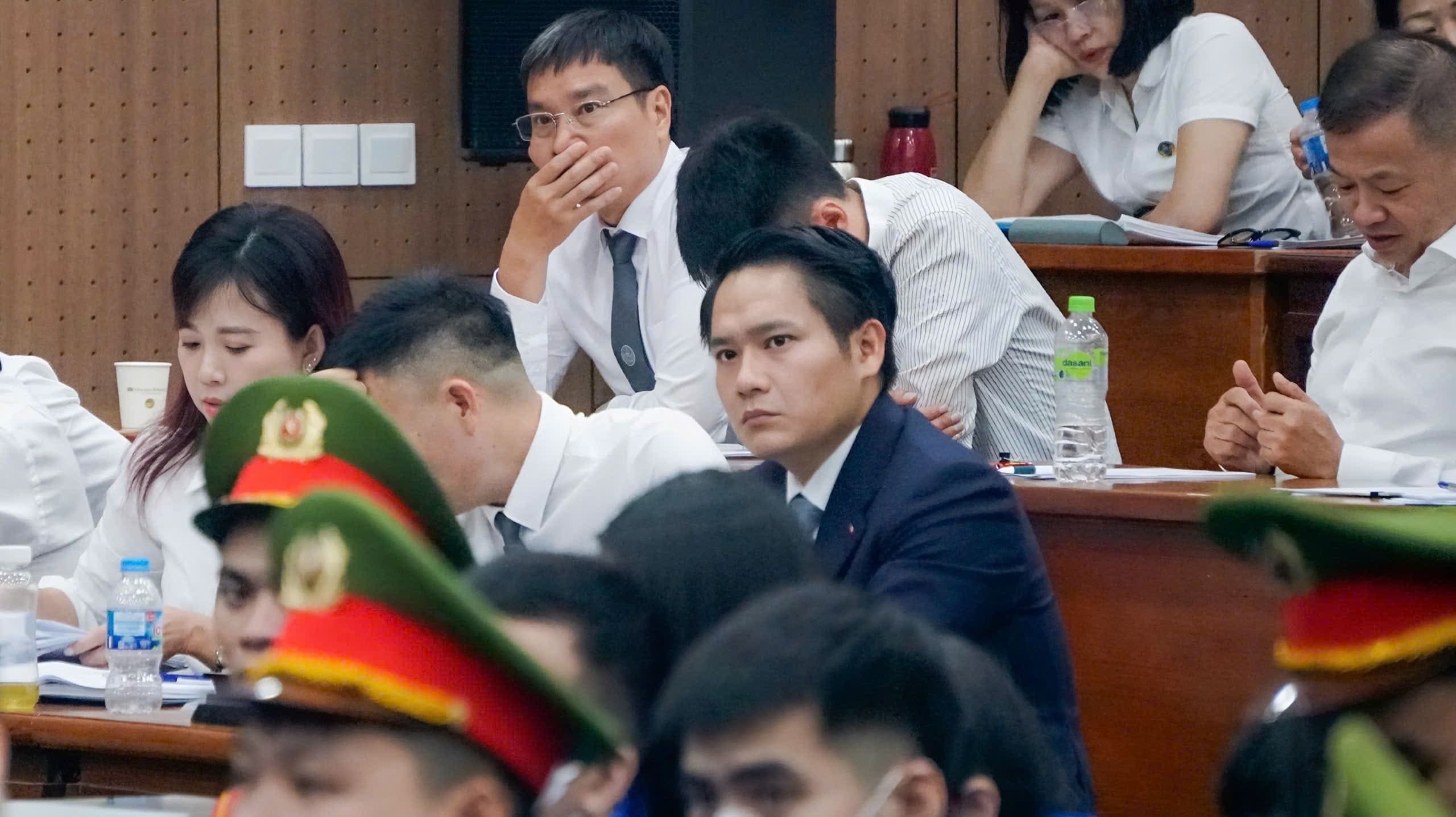
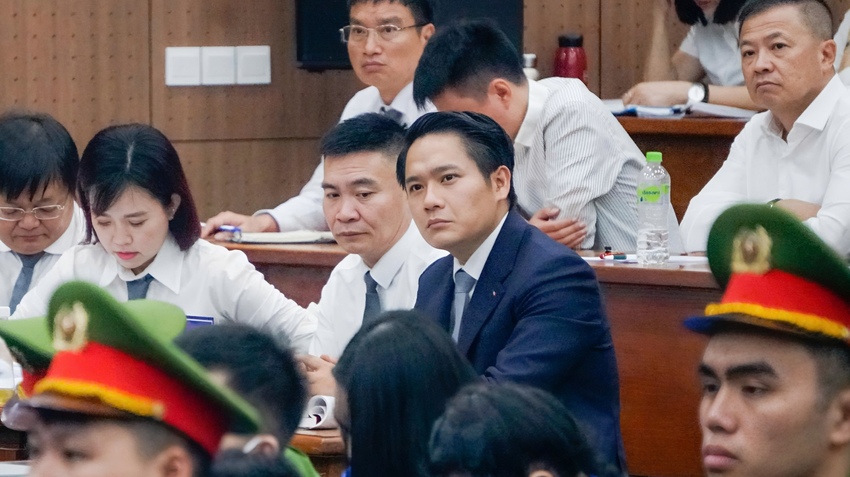
Representing Nguyen Van Binh in the Mr Pips trial, lawyer Luu Tien Dung has focused his defence submissions on proof of fault and the requisite intent for complicity. What the defendant knew about the trading platforms, when he became aware of any fraudulent scheme, and how he participated are matters that the defence submits must be established before criminal liability can be determined.
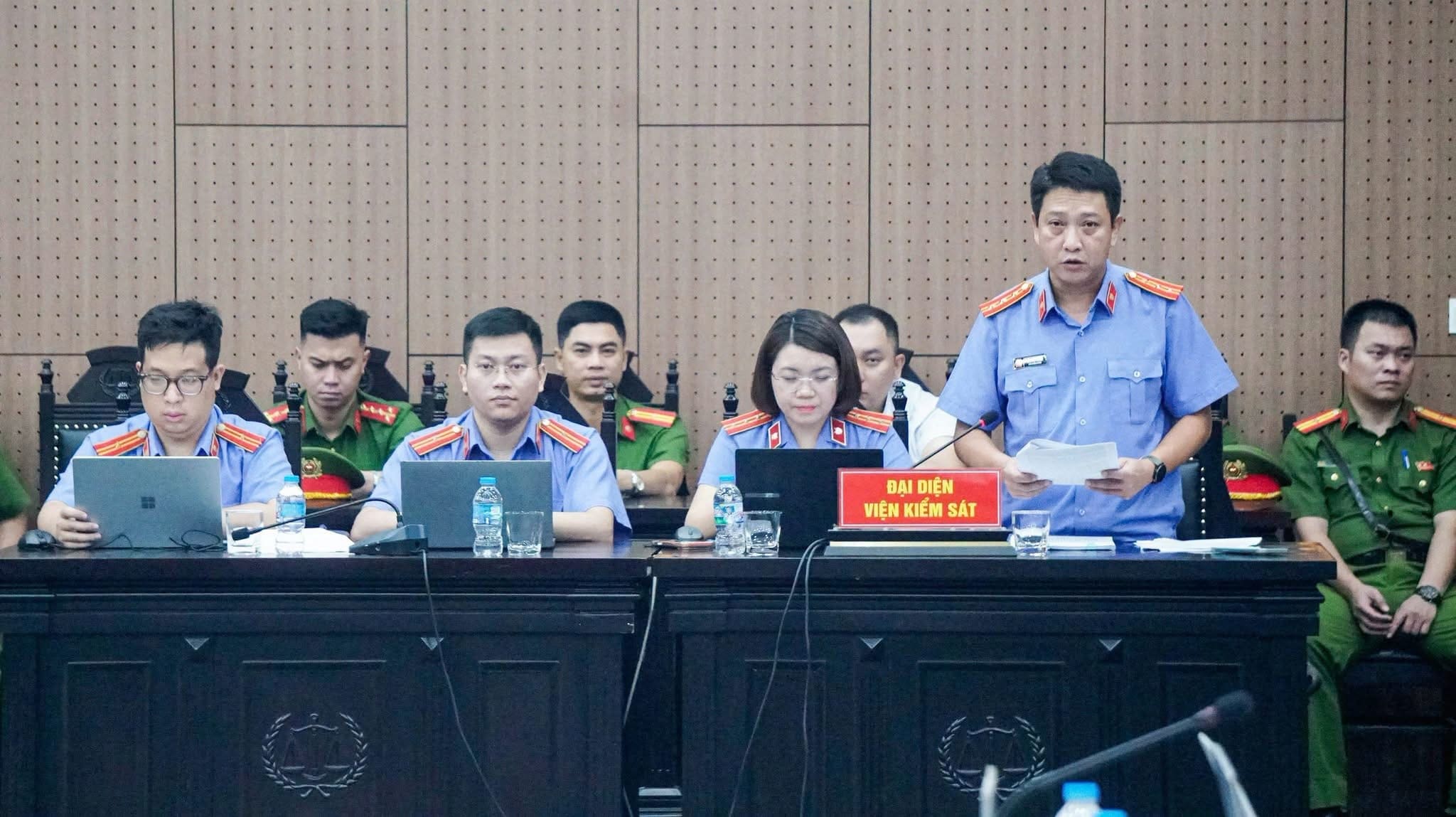
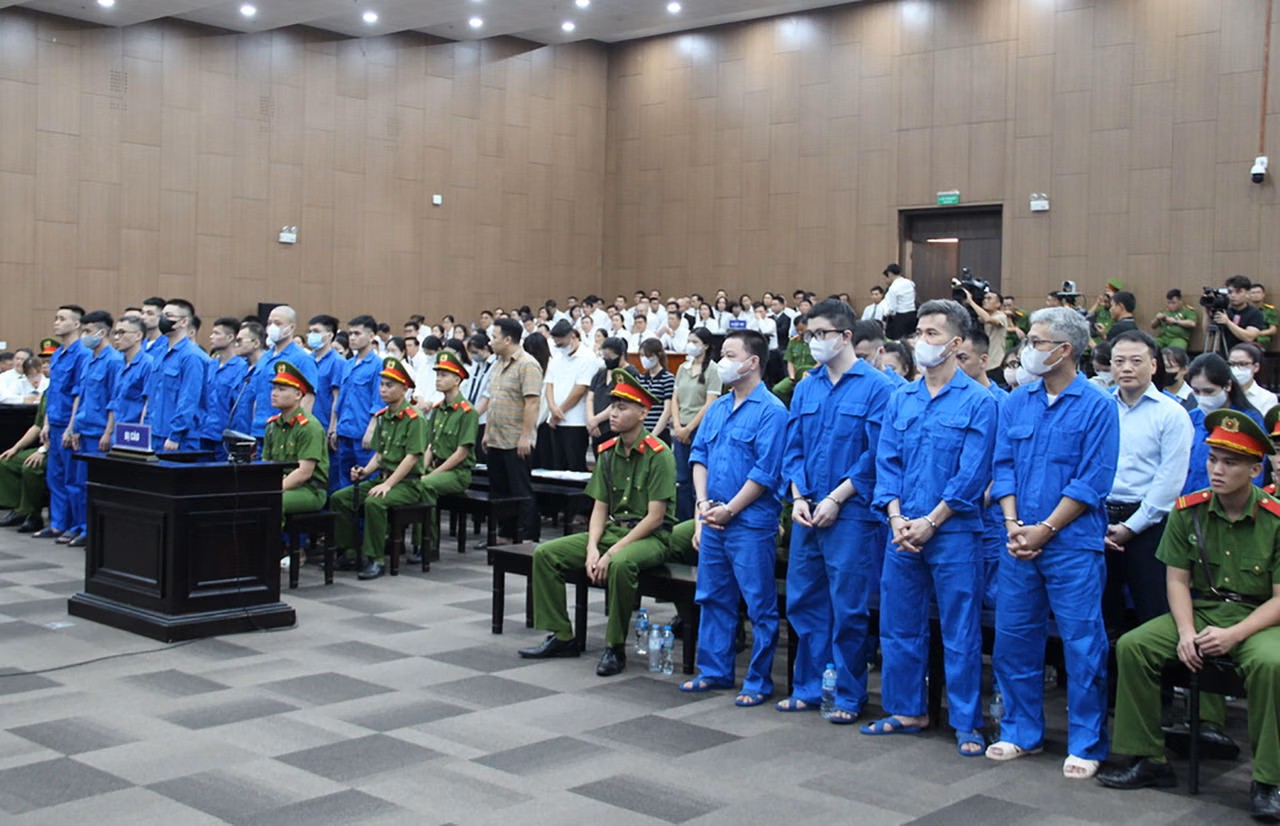
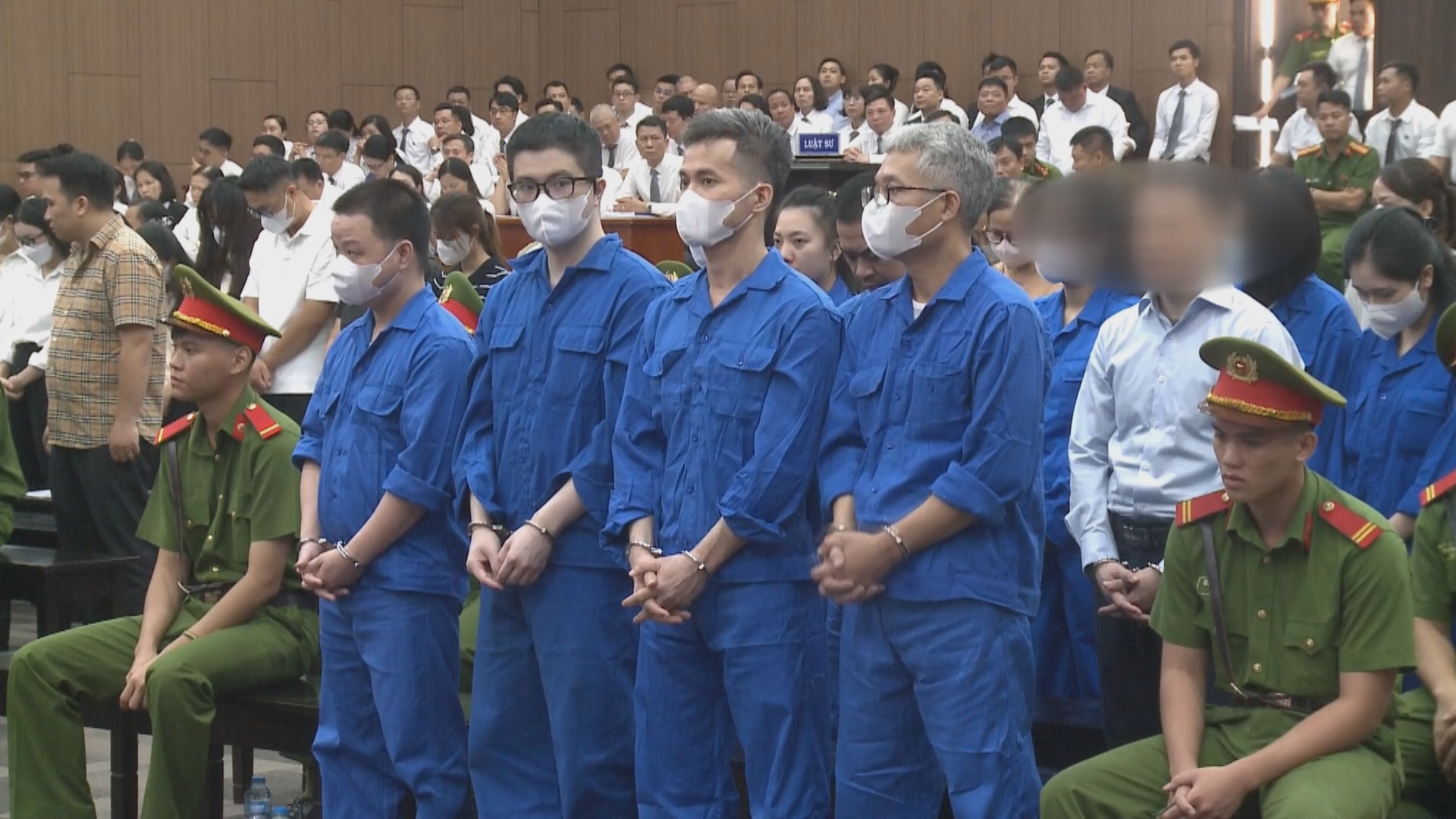
The trial of Pho Duc Nam, known as Mr Pips, and 187 other defendants before the Hanoi People’s Court has entered oral arguments following the examination of evidence. On 4 November 2026, the Hanoi People’s Procuracy presented its submissions, seeking an aggregate sentence of life imprisonment for both Pho Duc Nam and Le Khac Ngo, known as Mr Hunter. For Nguyen Van Binh, the prosecution sought a prison term of between 11 years and 11 years and six months for obtaining property by fraud. [1]
The sentences sought reflect the prosecution’s position that the alleged offences warrant severe punishment. During oral arguments, however, each ground of accusation and each circumstance relied upon against an individual defendant remain subject to scrutiny and challenge. This stage allows the findings of the investigation to be tested against evidence examined in open court and the submissions of the parties.
Establishing What the Defendant Actually Knew
In his defence submissions, Luu Tien Dung distinguished between knowing that a trading platform was unlicensed and knowing that it was being used to fraudulently appropriate clients’ funds. In his submission, the distinction between these two states of knowledge must be addressed through specific evidence.
Referring to Articles 10 and 11 of the Criminal Code, which govern intentional and unintentional fault, the defence requested clarification of which representations Nguyễn Văn Bình knew to be false, when he acquired that knowledge, and what he did thereafter. Losses arising from trading risks must also be distinguished from losses caused by a prearranged scheme to appropriate clients’ money.
Accordingly, the receipt of salaries or commissions, the use of sales scripts, and compliance with instructions must be assessed alongside training materials, messages, work-related communications, and evidence of how the individuals concerned actually coordinated their activities. The defence submitted that evidence of an individual’s work activities cannot, by itself, substitute for proof of a shared intent to fraudulently appropriate property.
Counsel placed particular emphasis on the distinction between an assertion that a defendant ought to have known and evidence establishing that the defendant actually knew. If the prosecution maintains that an adviser knew the operation was fraudulent, it must identify the evidence supporting that conclusion. Where the evidence establishes only a lack of due care, excessive reliance on management, or a failure to verify information, the nature of that fault must be assessed on its own terms, rather than treated as sufficient proof of intentional participation in fraud.
Organisational Structure and Criminal Collusion
Building on the issue of fault, Luu Tien Dung addressed the requirements for establishing complicity under Article 17 of the Criminal Code. In Nguyen Van Binh’s case, the defence requested identification of the acts by which he directly committed the offence if he was alleged to be a principal offender. Alternatively, if he was alleged to be an aider, the prosecution would need to establish that he knew of the offence and intentionally facilitated its commission.
An operation comprising managers, team leaders, advisers, and an incentive structure may be closely organised as a business. Counsel nevertheless submitted that a finding of organised criminal conduct requires proof of close collusion to commit an offence, together with the individual defendant’s awareness of that common criminal purpose.
The defence also requested that each alleged instance of offending be identified when considering the aggravating circumstance of “committing an offence two or more times” under Article 52(1)(g). The number of calls made, clients contacted, or deposits received must be examined in its specific factual context. For each alleged instance, the relevant conduct, property, and defendant’s intent to participate must be established.
Other defence lawyers also challenged the application of aggravating circumstances during the trial. According to a report published by Công lý on 5 November, submissions addressed organised offending, the commission of an offence two or more times, and the prohibition on counting a circumstance already used to determine the applicable sentencing bracket again as an aggravating circumstance. [2]

Examining Activities That Promoted Confidence in JasFX
A further issue raised in Luu Tien Dung’s submissions concerned the need to investigate promotional activities relating to the JasFX trading platform. Counsel referred to an article entitled “Should Investors Buy Tesla Shares Immediately After the Lunar New Year?”, published on congly.vn on 10 February 2023. The article presented favourable statements about JasFX’s reputation and licensing status, directed readers to its website, and explained how to open an account and deposit funds for trading. [3]
The defence submitted that such content could reinforce investor confidence. If the platform was used as an instrument of fraud, the wider process through which its public image was established and participants were attracted should also be examined. Relevant questions include who supplied the information, who commissioned the article, their relationship with the platform’s operators, and what they knew about its actual activities.
Counsel requested consideration of possible aiding conduct where evidence establishes that a person knew of the fraudulent purpose and nevertheless intentionally provided assistance. This was a request for investigation and verification. The publication of promotional content alone is insufficient to establish that its author, the information provider, or the person commissioning it was an accomplice.
Conversely, the defence requested that such publicly available information be considered when assessing the knowledge of advisers, where the evidence establishes that they had accessed it, received it, or been trained using those materials. For the same information, it is necessary to distinguish between those who knew the underlying facts and those who believed the representations made.
Matters Requiring Clarification Before Judgment
Regarding advisory and brokerage activities, Luu Tien Dung requested a clear distinction between breaches of securities business or professional practice requirements and criminal liability as an accomplice to fraud. Any assessment under Decree No. 156/2020/NĐ-CP, as amended, must take account of the nature of the products and activities, the legal capacity in which the relevant person acted, and the law applicable at the time of the conduct. Business licensing requirements must also be distinguished from requirements for individual practising certificates.
On this analysis, any breach of the conditions governing an activity must be addressed according to the violation actually established. The absence of a licence cannot substitute for evidence of an intent to fraudulently appropriate property. Equally, the availability of administrative sanctions does not preclude criminal liability where all elements of a criminal offence are established.
Against that background, counsel requested consideration of whether the case file should be returned for additional investigation under Article 280(1)(a) and (c) of the Criminal Procedure Code. The matters identified included Nguyen Van Binh’s knowledge, the mechanism by which funds were allegedly appropriated, the extent of his participation, the grounds for applying aggravating circumstances, and possible aiding conduct associated with promotional activities.
The request concerned circumstances in which essential evidence remained unavailable and could not be supplemented at trial, or where there were grounds to consider that another person involved in related criminal conduct had not been formally charged.
In a case involving numerous defendants, individual criminal liability requires careful examination of each person’s conduct and the point at which that person acquired the relevant knowledge. For Nguyen Van Binh, the issues raised by lawyer Luu Tien Dung centre on that requirement: what evidence establishes knowledge of the fraudulent scheme, which acts demonstrate an intention to participate in its commission, and how far the defendant’s liability extends.
These matters require full consideration through adversarial argument before the Trial Panel delivers its judgment. Both the interests of victims and the rights of the accused require a judgment that accurately identifies the person responsible, the conduct proved, and the degree of fault established.
Sources
[1] Bảo vệ pháp luật, “Prosecution Seeks Sentences for 188 Defendants in the Mr Pips Case”, 4 November 2026. [2] Công lý, “Mr Pips Case: Arguments on Aggravating Circumstances and the Grounds for the Charges”, 5 November 2026. [3] Công lý, “Should Investors Buy Tesla Shares Immediately After the Lunar New Year?”, 10 February 2023.Other Photos at the court: