

Vietnam is no longer an emerging alternative in Asia—it is increasingly becoming a primary destination for global investment flows. In 2026, the country stands out not only for its strong economic growth but also for its strategic positioning in global trade, regulatory transformation, and expanding domestic market.
For international investors, Vietnam represents a rare convergence of factors: sustained GDP growth, political stability, an evolving legal framework, and a clear policy direction toward integration with the global economy. Understanding why Vietnam has achieved this status—and whether it is sustainable—is essential for making informed investment decisions.

Strong and Consistent Economic Growth
Vietnam’s growth story is defined by consistency. Over the past decade, the country has maintained one of the highest growth rates in Asia, supported by a balanced economic structure and prudent macroeconomic management.
In 2026, Vietnam continues to demonstrate resilience. Growth remains strong despite global uncertainties, reflecting the country’s ability to adapt to changing external conditions while maintaining internal stability. Inflation is controlled, public debt is managed prudently, and the currency remains relatively stable compared to many emerging markets.
This macroeconomic stability is a critical factor for investors. It provides a predictable environment for long-term planning and reduces the risks typically associated with high-growth economies.
Strategic Location and Global Trade Integration
Vietnam’s geographical position offers a significant strategic advantage. Located at the heart of Southeast Asia, it serves as a gateway between major markets in Asia-Pacific and global trade routes.
More importantly, Vietnam has built an extensive network of free trade agreements, allowing companies operating in the country to access international markets under preferential conditions. This has transformed Vietnam into a key node in global supply chains.
For multinational corporations, Vietnam is not just a production base—it is a platform for regional and global expansion. This strategic role continues to attract investment across manufacturing, logistics, and export-oriented industries.
Supply Chain Realignment and Manufacturing Strength
One of the most important drivers of Vietnam’s rise is the ongoing realignment of global supply chains. As companies seek to diversify production and reduce dependency on single markets, Vietnam has emerged as a preferred destination.
The country offers a compelling combination of cost competitiveness, improving infrastructure, and a stable business environment. At the same time, its manufacturing sector is evolving beyond basic assembly toward more sophisticated, value-added activities.
This transition enhances Vietnam’s attractiveness as a long-term investment hub. Investors are increasingly integrating their operations into local supply chains, creating deeper and more sustainable economic linkages.
Rapidly Expanding Domestic Market
While exports remain a key pillar of the economy, Vietnam’s domestic market is becoming an equally important driver of growth. The rise of the middle class, combined with urbanization and increasing income levels, is transforming consumption patterns.
Vietnam is evolving into a dual-engine economy, where external trade and internal demand reinforce each other. This reduces vulnerability to global fluctuations and creates a more balanced growth model.
For investors, this shift opens opportunities beyond traditional export-oriented sectors. Consumer goods, retail, healthcare, education, and digital services are all experiencing strong growth, driven by changing lifestyles and rising expectations.
Regulatory Reforms and Investor-Friendly Policies
A More Flexible Legal Framework
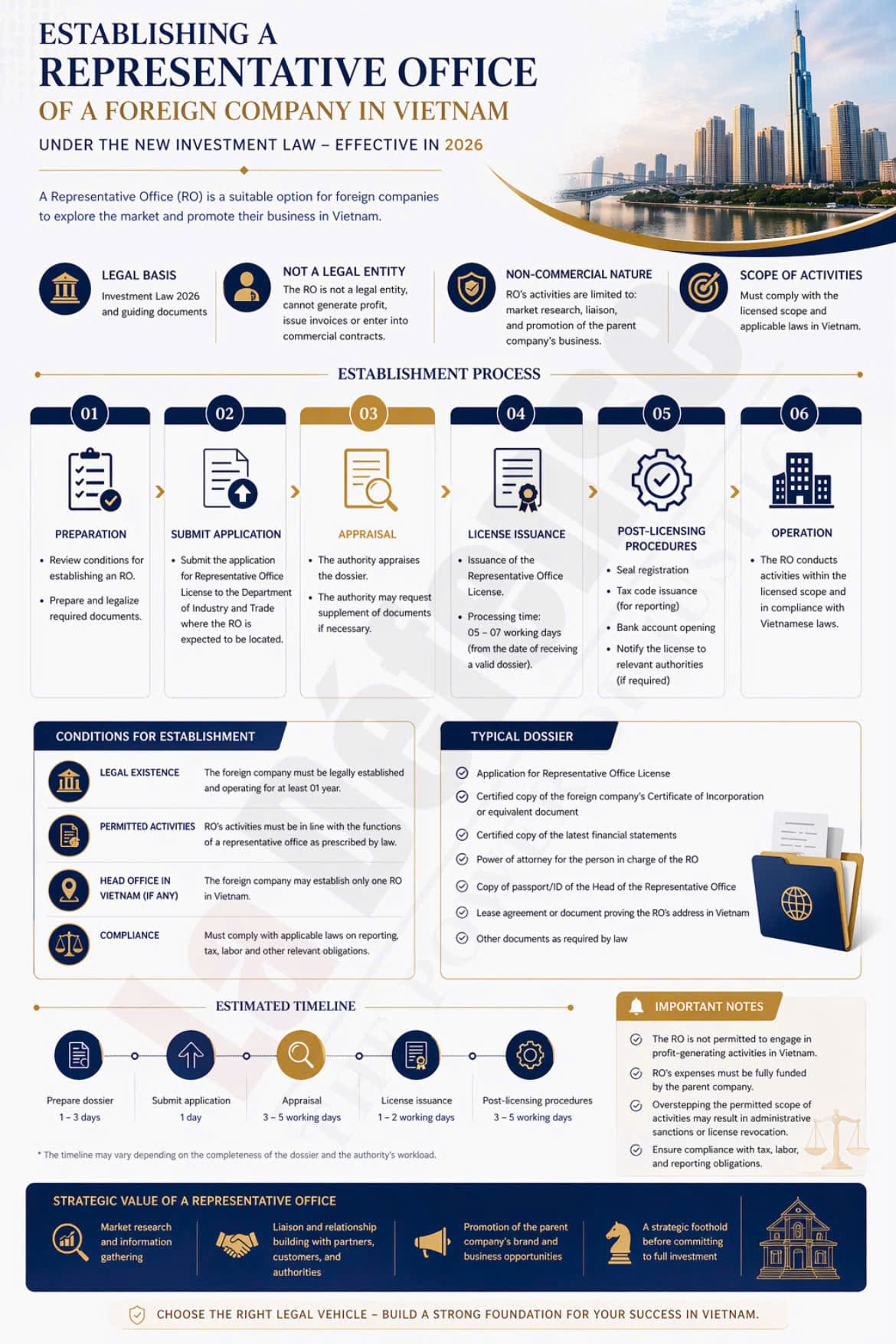
Vietnam’s legal environment in 2026 reflects a clear commitment to facilitating investment. The Law on Investment 2025 and its implementing regulations introduce significant reforms aimed at simplifying procedures and reducing administrative barriers.
The regulatory approach is shifting toward ease of entry combined with post-licensing supervision. This means that while it is easier to establish a business, companies must maintain strict compliance during operation.
This model aligns with international best practices and enhances Vietnam’s credibility as a reliable investment destination.
Transparency in Market Access
Another key improvement is the increased transparency of market access conditions. Foreign investors now have clearer guidance on ownership limits, licensing requirements, and sector-specific restrictions.
This transparency reduces uncertainty and allows investors to make more informed decisions at an early stage. It also contributes to a more predictable business environment, which is essential for long-term investment planning.
Digitalization of Administrative Processes
Vietnam is rapidly adopting digital solutions in its administrative procedures. Company registration, tax filing, and regulatory reporting are increasingly conducted through electronic systems.
This digital transformation not only improves efficiency but also enhances transparency and accountability, further strengthening investor confidence.
Competitive Workforce and Human Capital Advantage
Vietnam’s workforce remains one of its strongest competitive advantages. The country offers a large, young, and increasingly skilled labor pool, supported by improving education and training systems.
Labor costs remain competitive compared to other regional markets, while productivity continues to improve. This combination makes Vietnam particularly attractive for industries that require both cost efficiency and technical capability.
In addition, the growing availability of skilled professionals in areas such as technology, finance, and engineering supports the country’s transition toward higher-value industries.
Infrastructure Development and Connectivity
Infrastructure investment is a central component of Vietnam’s growth strategy. Significant resources are being allocated to transportation networks, logistics systems, and energy infrastructure.
Improved connectivity enhances the efficiency of supply chains and reduces operational costs for businesses. It also supports the development of new economic zones and industrial clusters, creating additional opportunities for investment.
While challenges remain, particularly in terms of capacity and coordination, the overall direction is clear: infrastructure is being developed as a strategic enabler of economic growth.
Emerging Sectors and Future Growth Engines
Vietnam’s investment landscape is expanding beyond traditional sectors. The government is actively promoting industries that are expected to drive future growth, including technology, renewable energy, and digital services.
The digital economy is particularly dynamic, with rapid growth in e-commerce, fintech, and data-driven platforms. At the same time, the transition toward sustainable energy is creating opportunities in renewable power and green infrastructure.
These emerging sectors offer high growth potential and align with global investment trends, making Vietnam an increasingly attractive destination for forward-looking investors.
Managing Risks in a High-Growth Environment
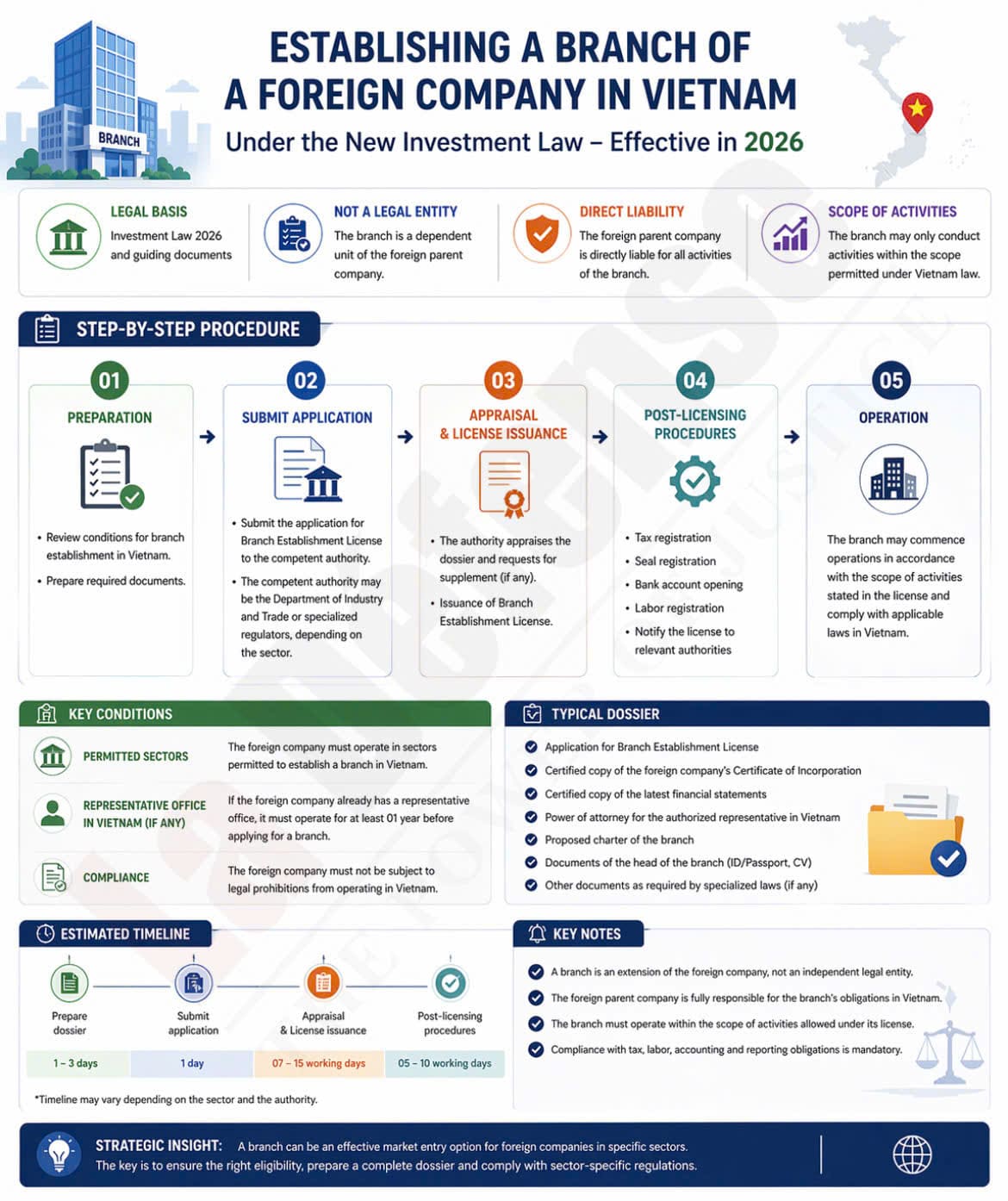
Despite its strong fundamentals, Vietnam is not without challenges. External economic volatility, including fluctuations in global demand and geopolitical tensions, can impact the country’s export-oriented economy.
Regulatory implementation may also vary, particularly at the local level, creating potential uncertainties for investors. In addition, the shift toward stricter post-licensing supervision means that compliance must be managed proactively.
These risks are not unique to Vietnam, but they require careful consideration and strategic planning. Investors who approach the market with a clear understanding of both opportunities and challenges are better positioned to succeed.
Vietnam as Asia’s Fastest Growing Investment Hub
Vietnam’s emergence as one of Asia’s fastest growing investment hubs is the result of a unique combination of factors. Strong and consistent economic growth, strategic global integration, and a rapidly expanding domestic market provide a solid foundation for long-term development.
At the same time, regulatory reforms are creating a more transparent and investor-friendly environment, while infrastructure development and human capital improvements support sustained expansion. The country’s ability to adapt to global changes and reposition itself within international supply chains further strengthens its competitiveness.
For foreign investors, Vietnam offers not only growth opportunities but also a platform for strategic expansion in Asia. Success in this market requires a well-informed approach that integrates economic insight, regulatory understanding, and long-term vision.
La Défense – Strategic Legal Partner for Foreign Investors in Vietnam
At La Défense, we support international investors in navigating Vietnam’s evolving investment landscape with clarity and confidence. Our services are designed to provide comprehensive legal solutions across the entire investment lifecycle, from market entry and corporate structuring to regulatory compliance and dispute resolution.
We bring together deep expertise in foreign direct investment, corporate law, and cross-border transactions, enabling us to deliver practical, business-oriented advice tailored to each client’s objectives. Our approach goes beyond legal compliance, focusing on strategic alignment and risk management to ensure sustainable success.
With a strong understanding of Vietnam’s legal and regulatory environment, La Défense is well-positioned to assist investors in identifying opportunities, mitigating risks, and building a solid foundation for long-term growth in one of Asia’s most dynamic markets.
Disclaimer
The information provided in this article is for general informational and reference purposes only. It reflects the legal framework as of 2026 and does not constitute official legal advice, professional legal opinion, or a substitute for individualized legal counsel. Laws and regulations in Vietnam are subject to frequent changes, and the application of these rules may vary depending on the specific circumstances of each investment project.
We strongly recommend that you consult our experienced FDI lawyers or qualified legal advisors for a detailed assessment, risk analysis, and tailored solutions that best suit your business objectives and specific situation.
Read more other relavant articles:
- Vietnam for Business 2026: Strategy Guide for Investors
- Nominee Director Vietnam: Legal Risks and Safer Alternatives (2026 Guide)
- Complete Guide to Company Incorporation in Vietnam for 2026
- Vietnam Business Ideas 2026: Top Sectors & Legal Guide